Shopify B2B
Wholesale on Shopify, without a second platform
Shopify's native B2B covers company accounts, customer-specific price lists, payment terms and quantity rules. What it does not cover, we build: order portals, ERP-driven pricing, invoice payment for the German market, reorder flows. One store for DTC and wholesale, one admin, one inventory.
What native B2B gives you
The wholesale features that ship with the platform
Since 2026 native B2B is available beyond Plus, with the deeper capabilities on Plus. Knowing exactly where the platform stops is what keeps a B2B project from becoming a custom build nobody needed.
Companies, locations and buyer roles
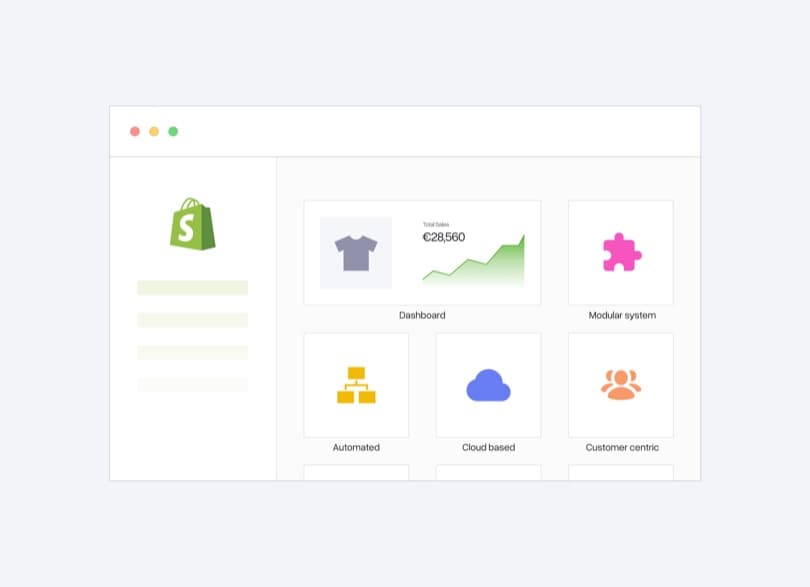
A wholesale customer is a company with multiple locations and multiple buyers, not an email address. Native B2B models that properly: ordering permissions per buyer, separate shipping addresses and payment terms per location, and a self-service login your sales team does not have to operate.
Price lists and volume rules
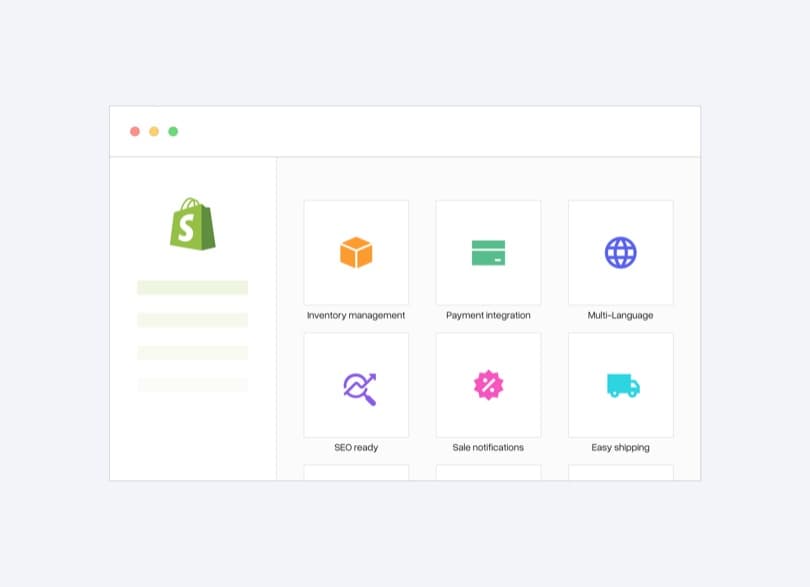
Customer-specific catalogues, percentage or fixed per-variant pricing, minimum and incremental order quantities, and currency per market. This is where most wholesale spreadsheets go to die, and getting it into the platform rather than into an app is what makes it maintainable.
Payment terms and net invoicing
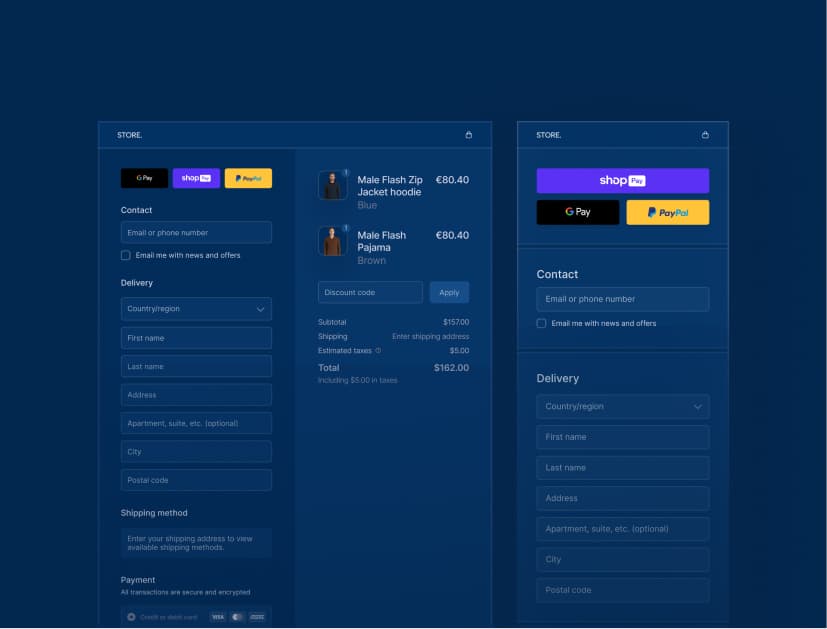
Net 30, net 60, deposits, purchase-order numbers and draft orders your sales team can send for approval. For German wholesale, invoice payment is not a nice-to-have but the default expectation, and it is the single most common reason a B2B store needs work beyond the out-of-the-box setup.
One inventory, both channels
The real argument for Shopify B2B is not the feature list, it is that wholesale and DTC share a catalogue, a stock level and an order pipeline. No second platform to sync, no nightly export that silently fails on a Sunday, no two versions of the truth about what is in the warehouse.
Where we build
The four things B2B merchants come to us for
Native B2B handles the standard case well. These are the four places where German and DACH wholesale reliably needs more, and all four are app or integration work rather than theme work.
Custom B2B apps
Order portals with bulk entry by SKU, CSV upload, quick reorder from history, saved lists, and quote requests that turn into draft orders. This is what "B2B app development" usually means in practice, and it is the work that makes a wholesale store faster than sending an email.
ERP and pricing integrations
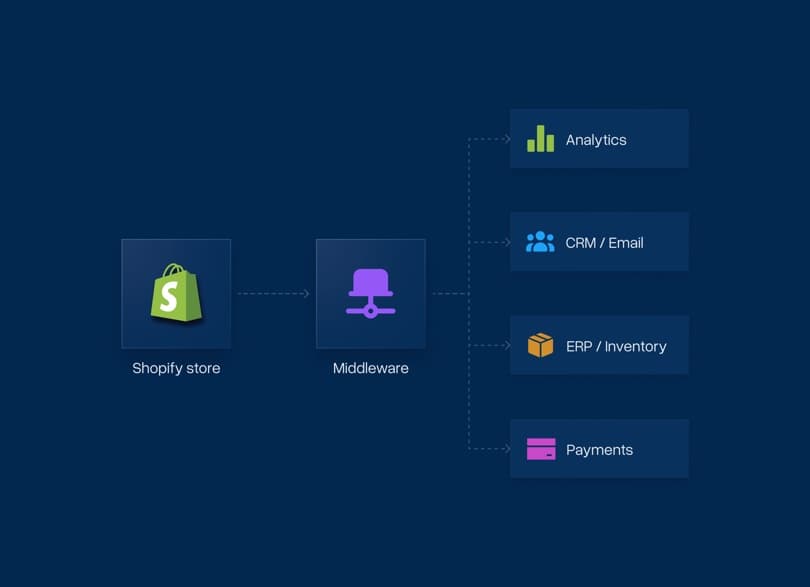
Customer-specific pricing that lives in your ERP, credit limits, stock from the warehouse system, orders pushed back with the right customer number. Middleware where it earns it, direct API where it does not. Most B2B projects are 70% this and 30% storefront.
A storefront built for repeat buyers
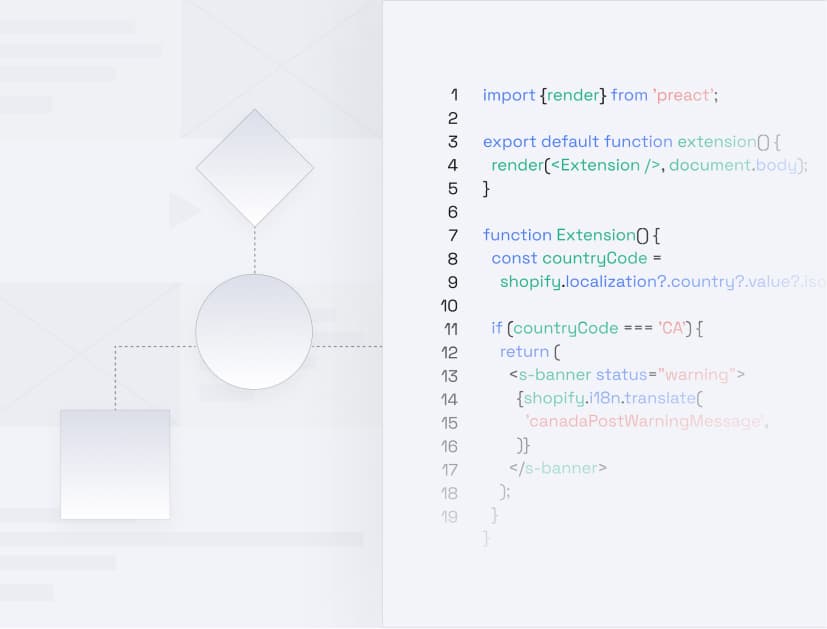
A B2B buyer is not browsing, they are re-ordering forty line items on a Tuesday morning. Dense tables instead of hero images, variant matrices instead of swatches, keyboard-first entry, order history that is actually usable. Consumer store patterns actively slow these people down.
Migrating wholesale off the old system
Company records, historical pricing agreements, order history, tax exemptions and the account logins your customers already use. The data model here is harder than a DTC migration, and the part that needs the most care is the one nobody lists in the brief: the pricing rules that only exist in someone's head.
Trusted by brands worldwide
Brands running DTC and wholesale on one Shopify store
Several of the brands below sell to consumers and to trade from the same catalogue, which is the setup this page is about.






Shopify B2B FAQ
What wholesale merchants ask about Shopify B2B
Plan requirements, what native B2B covers, invoice payment in Germany, and when a custom app is the right answer.


Got a wholesale case?
Tell us how your buyers order.
Not any more for the basics. Native B2B - companies, price lists, payment terms - became available beyond Plus in 2026. Plus still goes deeper: more catalogues, Markets for B2B, variant-level price lists and full buyer-role management. If wholesale is a side channel, the lower plan is usually enough; if it is a main revenue line, Plus tends to pay for itself in what it replaces.
Yes, and it is the main reason to choose Shopify for wholesale. Company customers see their own catalogue and pricing after login while consumers see the public store, with one inventory and one order pipeline behind both. A separate wholesale store is occasionally right, but it costs you a synchronisation problem forever.
Yes - payment terms, net 30 or 60, deposits and purchase-order references are part of native B2B. For the German market the detail that matters is which customers are allowed invoice payment and how that is checked, and that usually means a credit limit from your ERP rather than a setting in the admin. It is the integration we build most often for German wholesale.
A private Shopify app that adds the wholesale mechanics the platform does not: bulk order entry, CSV upload, reorder from history, quote-to-order flows, ERP-driven pricing, approval chains. Public app store apps cover fragments of this generically; the reason merchants commission a custom one is that their ordering process is the thing that differentiates them.
Yes, and there are two ways. Sync price lists into Shopify on a schedule, which is simple and robust and lags by however long the interval is. Or resolve prices live against the ERP, which is always current and puts a dependency on your ERP's uptime in the buying path. We pick based on how often your prices actually change - which, for most wholesalers, is far less often than they assume.
A native B2B setup on an existing store is a matter of weeks. A full wholesale project with ERP pricing, a custom order portal and a migration of company records is a two-to-four month engagement. The variable is almost never the storefront, it is how clean the pricing rules and customer data are when they arrive.
Related
What a B2B build touches
The services a wholesale project draws on.

Martin Winkler
Co-Founder & CEO
Mark Chang
Founder & CTO