Shopify Plus pricing
What Shopify Plus actually costs
Shopify Plus starts at $2,500 per month on a one-year term, or $2,300 on a three-year term. That is the easy part. The useful part is what sits inside the platform fee, what does not, and at what revenue the upgrade stops being an expense and starts being cheaper than the workarounds.
The numbers
How the Shopify Plus platform fee is built
Four components decide your invoice. Verified against Shopify's published pricing on 19 August 2026 - Shopify changes these, so treat any figure older than a quarter as a starting point for a conversation rather than a quote.
The base platform fee
From $2,300 USD per month on a three-year term, or $2,500 on a one-year term. This is the entry price and it covers the whole platform: hosting, checkout, the Plus feature set and support. Compared with the $39 entry plan it looks like a different product, because it is one.
Payment and transaction fees
Card rates are negotiated and depend on your market and volume. If you use a third-party processor as your primary gateway rather than Shopify Payments, Shopify adds 0.20% per transaction for security and compliance - substantially less than on lower plans, and a real argument for consolidating payments.
Ten storefronts, then $300 each
Your main store plus nine expansion stores are inside the platform fee. For a DACH brand that is usually enough for DE, AT, CH and the next few markets, each with its own language, currency, pricing and fulfilment logic under one admin. Additional stores are $300 per month each.

The variable fee, above a threshold
Higher-volume merchants move from the flat fee to a variable platform fee based on revenue and business model. Shopify does not publish the threshold or the percentage, and we are not going to invent them: at that scale the terms are negotiated directly with Shopify, and the useful preparation is knowing your GMV, your channel mix and your growth curve before that call.
Beyond the platform fee
The four costs that decide whether Plus pays for itself
Nobody's Shopify Plus bill is the platform fee. These are the lines that actually move the total, in the order they usually surprise people.
The move itself
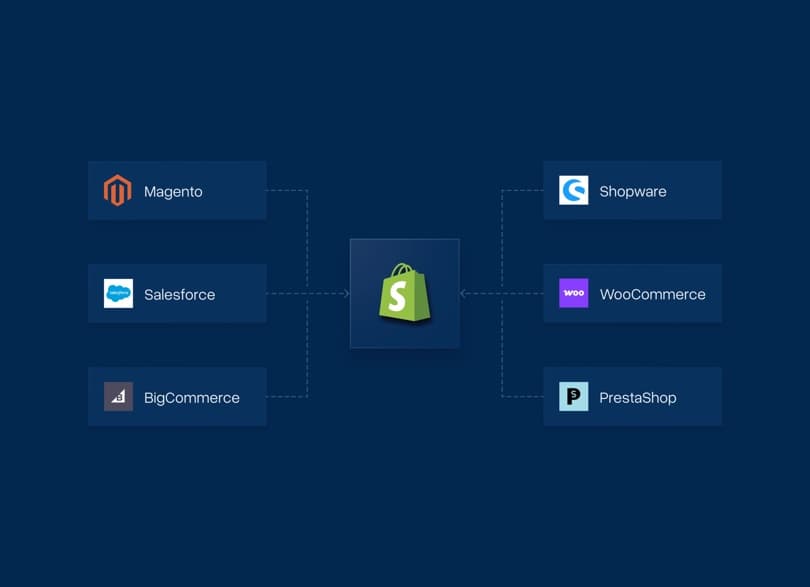
Coming from Magento, Shopware or a custom stack, the migration is normally the largest single line in year one: data mapping, integrations, redirects, testing. Coming from a lower Shopify plan it is close to nothing, because the store, the theme and the apps come along unchanged.
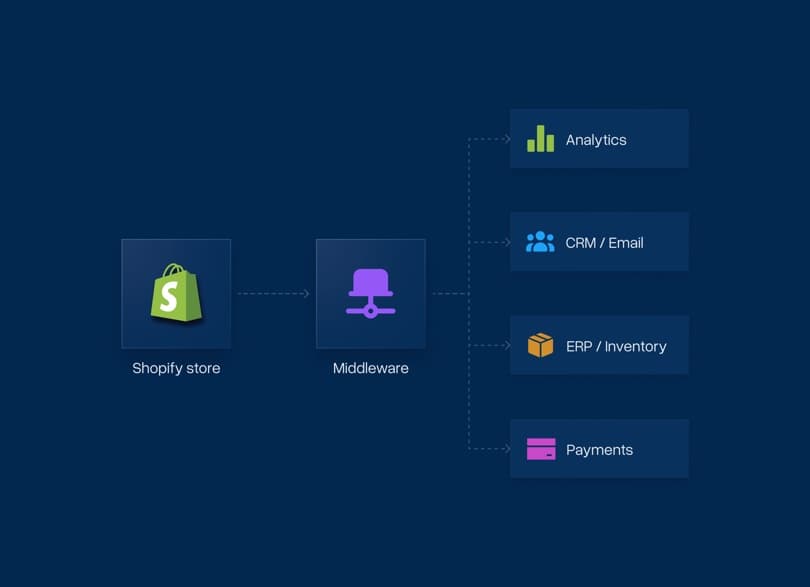
Integrations and middleware
ERP, PIM, CRM, DATEV, warehouse and marketplace connections. Plus gives you higher API limits and Shopify Flow, which removes some custom code but not the connectors themselves. Budget this properly - it is the line most often left out of an upgrade business case and the one most likely to delay the launch.
Apps you can now delete
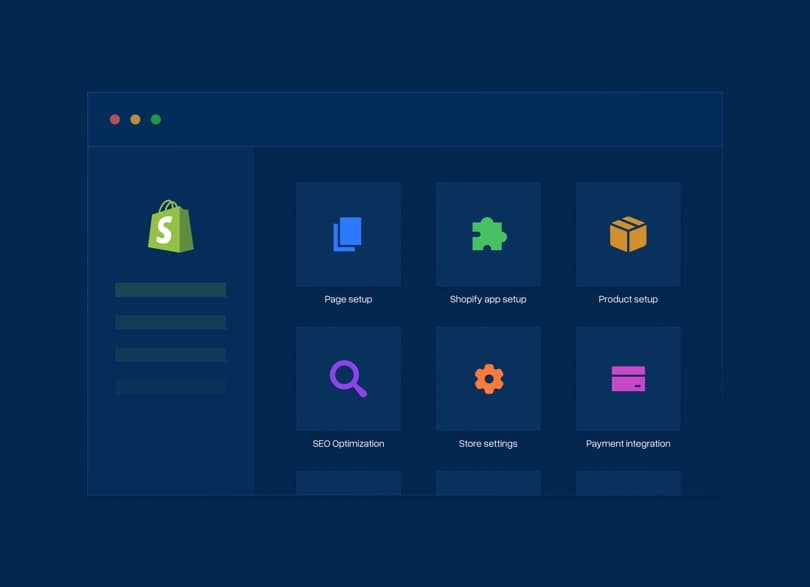
This one runs the other way. Checkout customisation, wholesale, automation, multi-store and advanced discounts are Plus capabilities that replace paid apps. We have seen app stacks drop by several hundred euros a month on the upgrade, and that saving belongs in the calculation as much as the fee does.
Making use of what you are paying for
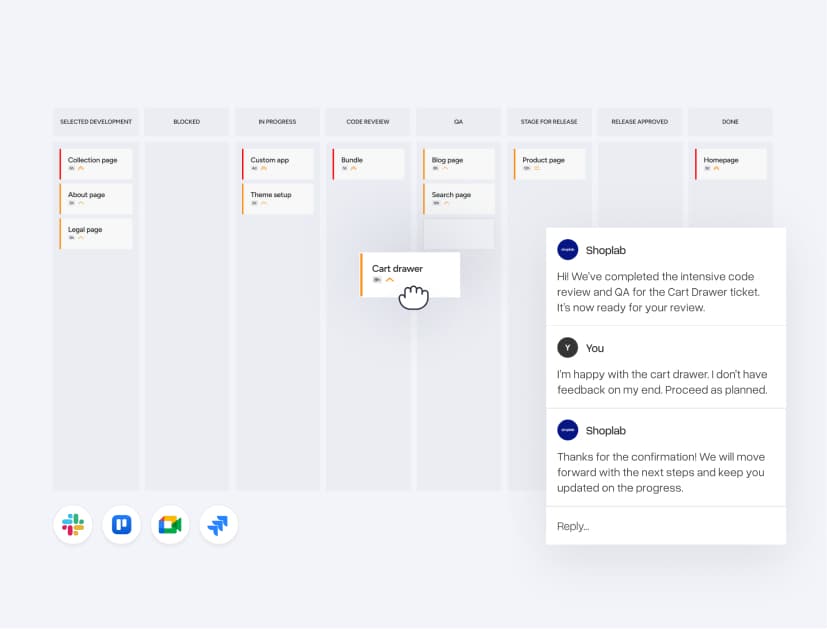
Checkout Extensibility, Functions, B2B, Markets and Flow are the reason the fee exists. A Plus store running a stock theme and no automation is an expensive version of the plan below it. Whatever you spend on actually implementing those features is what turns the platform fee into a return.
Trusted by brands worldwide
Brands we have taken through platform decisions like this one
Some of these run Plus, some deliberately do not, and a few moved up once the numbers said so. The decision is a calculation, not a status upgrade.






Shopify Plus cost FAQ
The pricing questions merchants ask before upgrading
Straight answers on the platform fee, the variable model, contract terms and when Plus is genuinely the wrong buy.


Doing the maths?
We will do it with you.
From $2,500 USD per month on a one-year term and from $2,300 on a three-year term, which is Shopify's published entry pricing as of August 2026. Above a revenue level Shopify does not publish, the flat fee is replaced by a variable platform fee negotiated directly with them. Card rates and any third-party gateway fee sit on top.
The platform itself and the Plus feature set: Checkout Extensibility and Shopify Functions, Shopify Flow automation, native B2B with price lists and buyer roles, Markets for international selling, higher API rate limits, expanded staff accounts, and your main store plus nine expansion stores. Support and hosting are in there too.
The honest test is not revenue, it is what you are currently paying to work around the plan you are on. Add up the apps that Plus replaces, the developer hours spent fighting checkout, the manual work Flow would automate, and the markets you cannot open cleanly. If that total approaches the fee, the upgrade is already paying. If it does not, stay where you are - most stores under roughly seven figures of annual revenue should.
Plus is a defined plan with published entry pricing. Enterprise arrangements, including Commerce Components, are custom contracts for very large or unusual businesses - componentised commerce, bespoke terms, direct negotiation. If you are asking the question from a store doing single-digit millions, Plus is the plan you mean.
The three-year term saves $200 per month, which is $7,200 over the contract. That is worth having if your platform decision is settled and your growth is predictable. It is not worth locking in if a replatform, an acquisition or a major channel shift is plausible inside three years, because the saving is smaller than the cost of being on the wrong platform for two of them.
Shopify publishes Plus pricing in USD and bills accordingly, so your effective euro cost moves with the exchange rate. For a German merchant that is a real budgeting detail rather than a rounding error - the platform fee is one of very few costs in the business that is not denominated in your revenue currency.
Yes, and it is the part we would do first. We audit your current app spend, your integration surface and the workarounds in your store, then put the fee next to what it removes. Sometimes the outcome is that you should not upgrade yet, which is a useful thing to know before a three-year term.
Related
What an upgrade usually involves
The work behind a move to Plus.

Martin Winkler
Co-Founder & CEO
Mark Chang
Founder & CTO