Store management & maintenance
The store is live. Now the work starts paying
A launch is a beginning, not a result. Themes need updates, apps change their APIs, campaigns need landing pages, and sooner or later an interface fails overnight. Ongoing management means somebody is responsible for that — somebody who already knows the store.
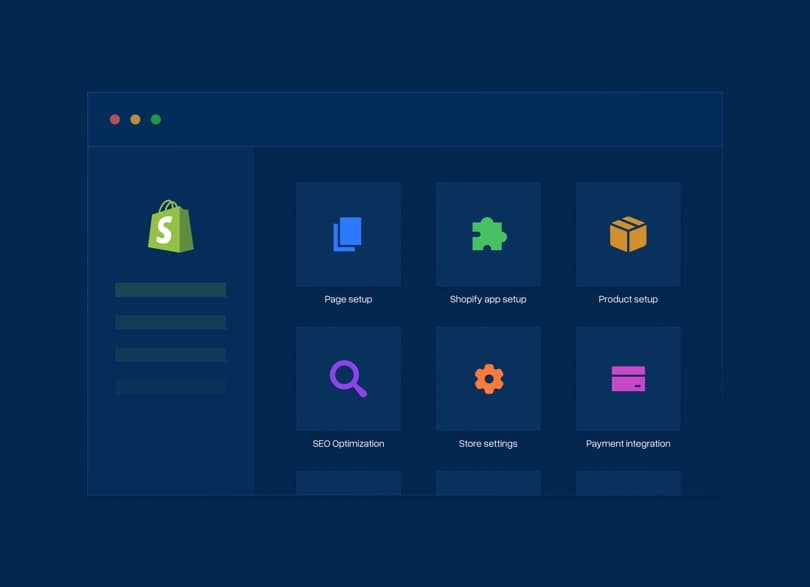
What ongoing care covers
Four kinds of work that arrive after launch
Most retainers fail because nobody names which of these four is meant. We put it in the scope so you are not paying development hours for campaign work, or the other way round.
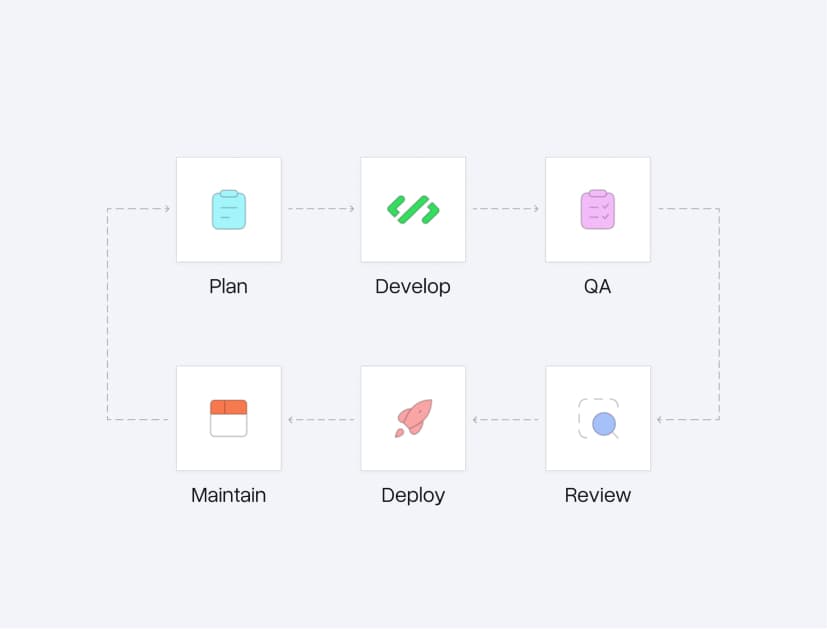
Maintenance nobody notices
Theme updates, app versions, Shopify API versions going out of support, dependencies inside your own apps. Invisible when it happens, and expensive when it is left for two years — at that point an update has become a migration project.
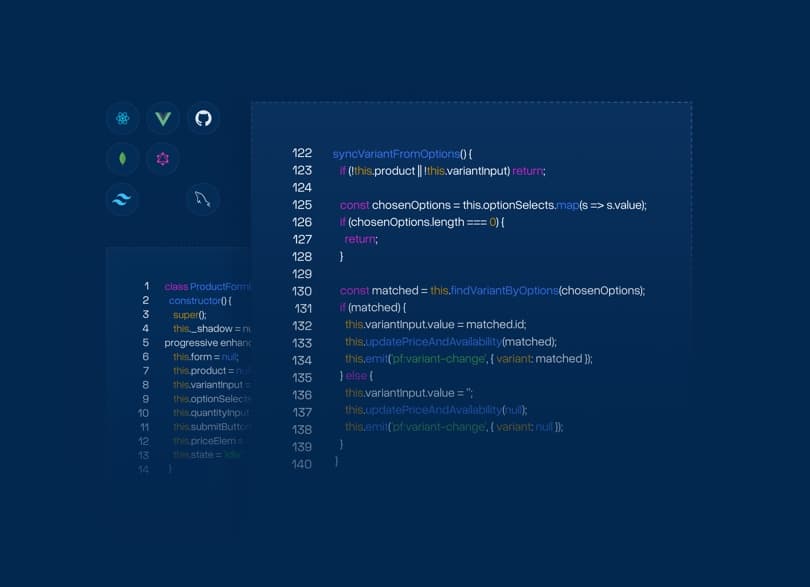
Support when something jams
Checkout throws an error, a variant shows the wrong price, the stock sync hangs. What matters here is not the response time on paper but whether the person at the other end knows your store instead of needing two days to get oriented.
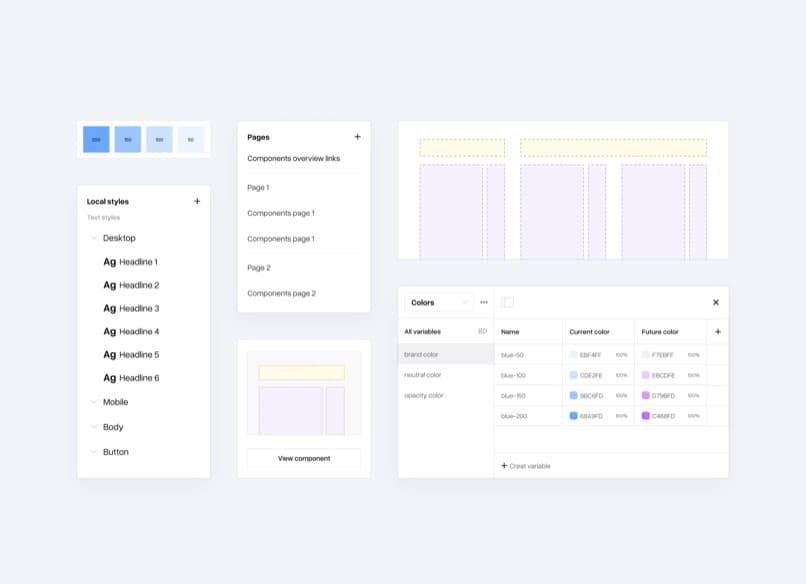
Incremental development
A new section, a better filter, a bundle for the season. The kind of work that is too small for a project and too big for an afternoon. On a retainer it gets scheduled instead of postponed, and that is where the difference over a year comes from.
Watching it before you notice
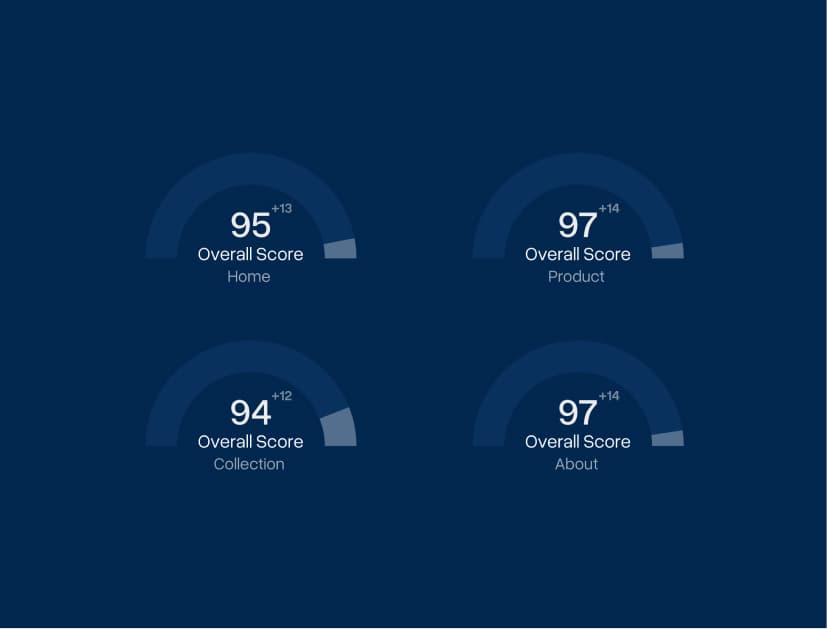
Core Web Vitals, checkout error rates, whether the interface ran through last night. Monitoring is the part of ongoing care that only pays off if it was already there before something happened.
How the retainer works
A monthly scope you can change
No annual contract, no hour bank that expires. Four rules, and the last one is where you can tell whether an agency means it.
An audit before the first month
We go through the theme, the app stack, the interfaces and the open building sites, and write down what we find. Sometimes the outcome is that you need a project first and a retainer after, not the other way round.

A scope that names what is in it
Maintenance and monitoring as the base load, an allowance for development, and an explicit list of what is NOT included. A retainer without that third list turns into a negotiation every month.
Visible work instead of a monthly report
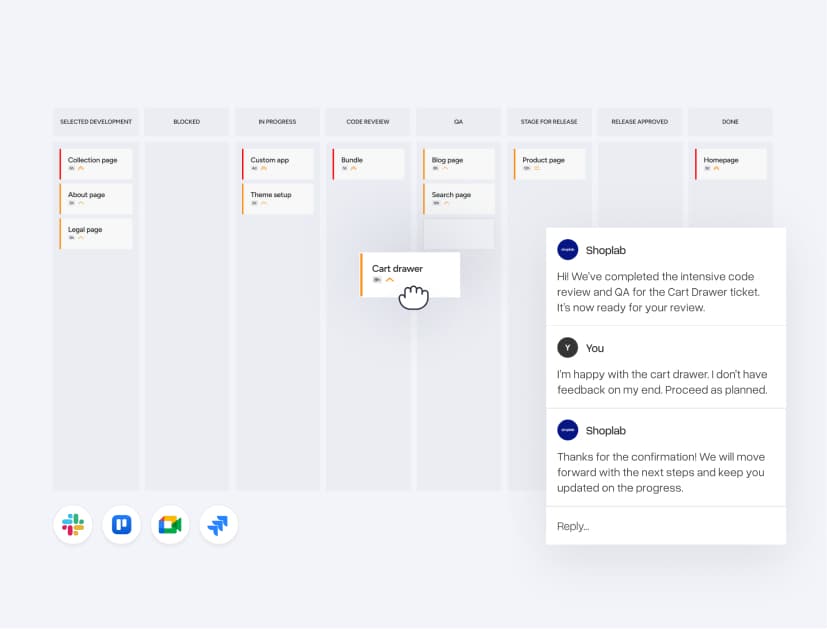
A shared board where you see what is queued, what is running and what finished last week. A report at month end explains work; a board lets you steer it.

Cancellable monthly, and that is the point
If the arrangement is not paying for itself you should be able to leave. An agency that keeps its clients through the contract term rather than the result does not have a good offer, it has a good lawyer.
Trusted by brands worldwide
Brands whose stores we did not just build but kept
Some of the logos below are stores we have looked after since launch. That is the proof that counts on this topic: not how many we built, but how many stayed.






Store management FAQ
What merchants ask about ongoing care
Straight answers on scope, term, response times, and when you do not need a retainer at all.


Store runs, but bumpy?
We will take a look.
It depends on scope, and we deliberately publish no package prices on this page. The reason: the range between "maintenance and monitoring for a stable store" and "ongoing development with guaranteed response times" is wide enough that any number here would be wrong for half the people reading it. We audit, write the scope, then price it. If you need a figure before we have spoken, that is a fair signal that we are not the right fit.
Not necessarily. If your store runs stably, you have someone in-house for content and no development planned, project work on demand is enough. A retainer starts earning its keep once you want monthly changes, once downtime costs revenue, or once you notice you are postponing things because every one of them needs a quote first.
Critical means checkout, payment, or the store being unreachable. There is an agreed route and an agreed time for that, and both live in the scope rather than in a brochure. Everything else goes on the board and gets prioritised rather than done instantly, because otherwise the planned work never happens.
Yes, and it is a large share of this. We always start with an audit of the theme, apps and interfaces, and tell you what is sound and what is cheaper to rebuild. Inheriting somebody else's architecture unaudited is how the second agency repeats the first one's mistakes.
It does not quietly expire. If a month was quiet we say so and propose either carrying it into the next round or shrinking the scope. A retainer both sides silently leave too large is the reason merchants distrust retainers.
Technically yes, editorially only up to a point. Building landing pages, creating sections, configuring discounts and bundles: ours. Writing copy, maintaining product data and planning campaigns: better with you or with an agency that does exactly that. We would rather say so up front than in month three.
Related
What comes up in ongoing care
The services most often needed once a store is running.

Martin Winkler
Co-Founder & CEO
Mark Chang
Founder & CTO