Store setup
Have your Shopify store built, properly, once
You can build a Shopify store yourself in a weekend, and thousands of merchants have, which is why so many stores look like a weekend. We build stores for brands that want the first version to be the selling version: strategy, design, build and launch from one team.

Built versus assembled
What a professionally built store does differently
Shopify makes opening a store easy. It does not make selling easy. The difference between an assembled store and a built one is invisible in the theme demo and very visible in the conversion rate three months in.
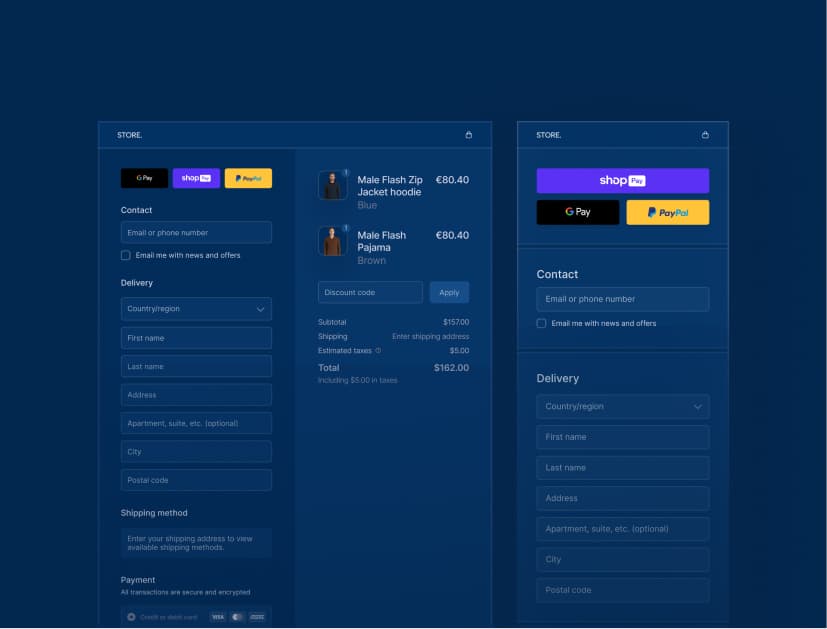
A purchase path with no loose ends
From the first product view to the order confirmation, every step is set up and tested: payment methods your customers expect, shipping rules that match your actual logistics, tax settings that survive an audit. This is the part DIY stores most often get almost right, and almost right costs orders daily.
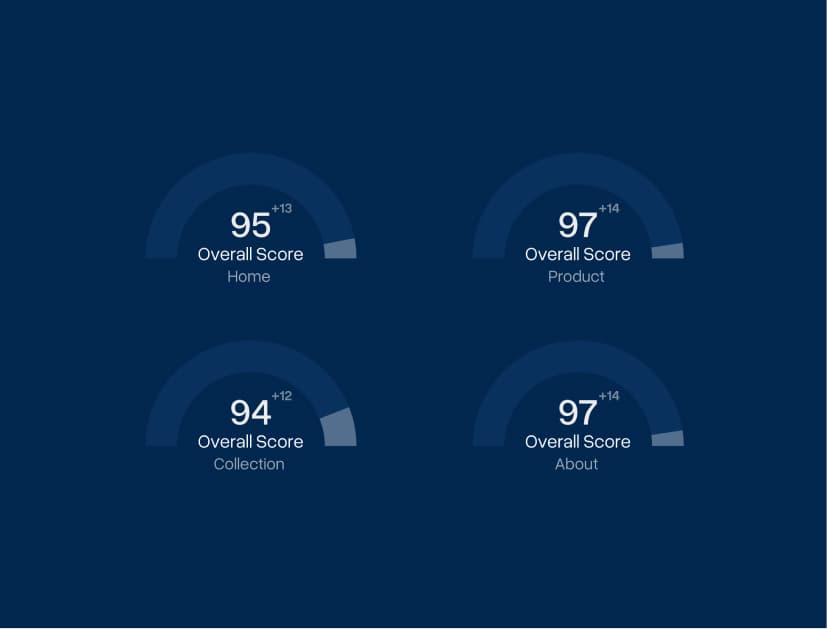
Fast because it was built that way
App-stacked stores get slow one install at a time, and nobody notices until the PageSpeed report. We build lean: native features before apps, apps before custom code, and a performance budget the store has to meet before launch, not a cleanup project after it.
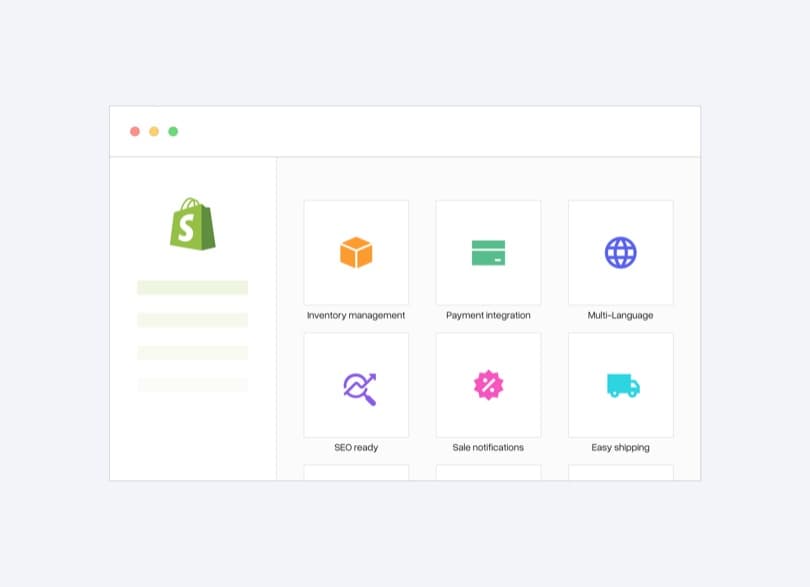
Set up for the second year, not just the first week
Collections structured for how you will actually merchandise, metafields for the content you will add later, markets and languages prepared rather than bolted on. Stores are cheap to structure at the start and expensive to restructure while they sell.

A store your team can run alone
The handover includes the admin walkthrough, the documentation and the small habits that keep a store healthy. The goal is not a retainer by dependency. If you never need us again after launch, the project did what it promised.
How your store gets built
Four stages from idea to first order
The same sequence whether you are starting from nothing, from an Instagram shop, or from a store on another platform. What changes per project is the weight of each stage, and we tell you that distribution in the first call.
Brief: what the store has to achieve
Products, audience, markets, and the jobs the store has to do beyond looking good. This is also where we decide theme base versus custom build together, openly, because that decision sets most of the budget.
Design where it earns its keep
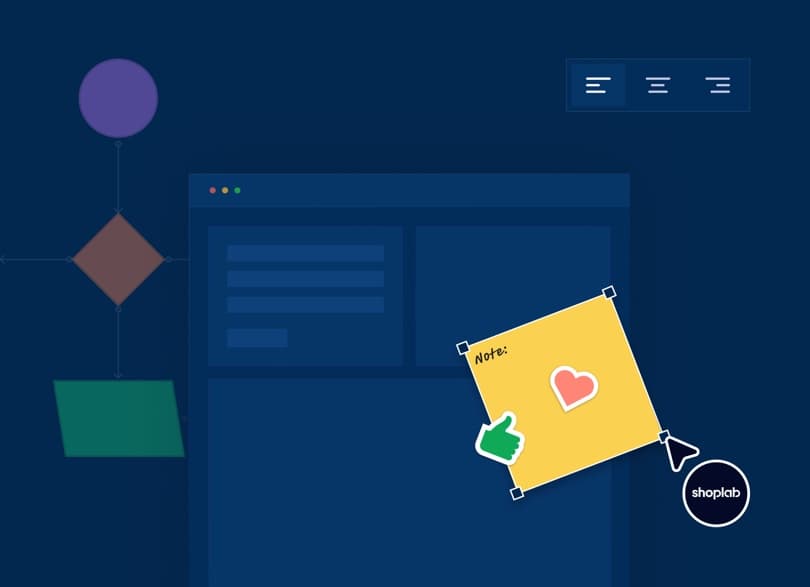
The pages that sell get designed for your brand and your customers. The pages that inform reuse proven patterns. You review real screens, not mood boards, and nothing goes to build that you have not seen.
Build, content and the boring essentials
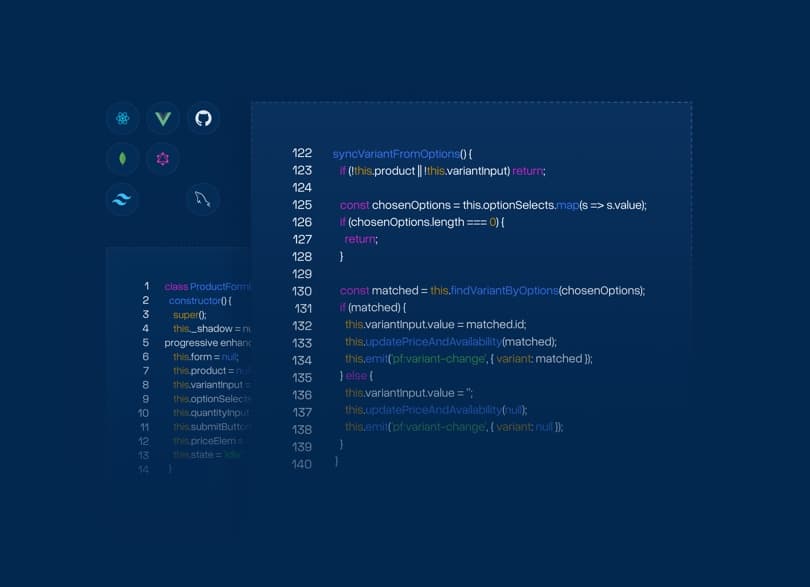
Theme development, product data, payment and shipping configuration, legal pages, analytics. The unglamorous half of this list is where launches usually slip, so it is scheduled work here, not an afterthought.

Launch with a checklist, then the first weeks
Test orders through the live payment methods, tracking verified, redirects in place if an old site existed. After launch we watch the first real orders come through and fix what only real customers find.
Trusted by brands worldwide
Great brands that we help build and scale their businesses
We believe strong client relationships deliver great results, helping businesses scale with stronger conversions and sustainable growth.






Store setup FAQ
What founders ask before having a store built
The practical questions behind "can someone just build this for me", answered without the sales gloss.


Ready to build?
Tell us about your brand.
A store on a configured theme base is typically live in 4 to 8 weeks. A custom storefront runs longer, usually 10 to 16 weeks depending on design depth and integrations. The honest bottleneck is often not the build but your content: product photos, texts and legal pages have deadlines too.
Your products with prices and photos, your brand assets if they exist, and decisions when we ask for them. Everything else can be part of the project, including product photography partners and copywriting. What we cannot replace is knowing your customers, so expect questions about them.
By where your brand actually differentiates. If your products and story fit the structure of a strong theme, a configured theme base gets you live faster and cheaper, and we say so. Custom build earns its price when the buying experience itself is part of the brand. Most first stores should start closer to the theme end.
Yes. Products, images, texts and customers can come across from an existing site, a marketplace presence or spreadsheets. If the old site had search traffic, we map the URLs and set up redirects so the new store inherits the rankings rather than starting from zero.
You own the store completely: admin access, theme code, documentation. Many clients book ongoing store management for updates and optimization, many run alone and come back per project. Both are fine with us, and the handover is built so that both work.
If your budget is tight and your case is simple, you should, seriously. The DIY route stops making sense when your time is worth more than the setup cost, when the store has to carry a brand, or when the third rebuilt attempt starts costing more than a built-once store would have. That third case is where most of our setup clients come from.
Related
The work inside a store build
The specialist services this page bundles into one project.

Martin Winkler
Co-Founder & CEO
Mark Chang
Founder & CTO