Migration
Magento to Shopify migration, without losing what you built
Magento 1 has been end of life since 2020. Magento 2 wants a developer, a hosting bill and a security patch cycle before it sells anything. We move Magento and Adobe Commerce stores to Shopify with the catalog, the customer accounts, the order history and the rankings intact.
Why leave Magento
What Magento actually costs you
The licence is the smallest line on the invoice. The rest is hosting, the patch cycle, extension conflicts, and the developer you cannot release without. Magento was designed when owning your infrastructure was an advantage. On Shopify that whole stack becomes somebody else's job.
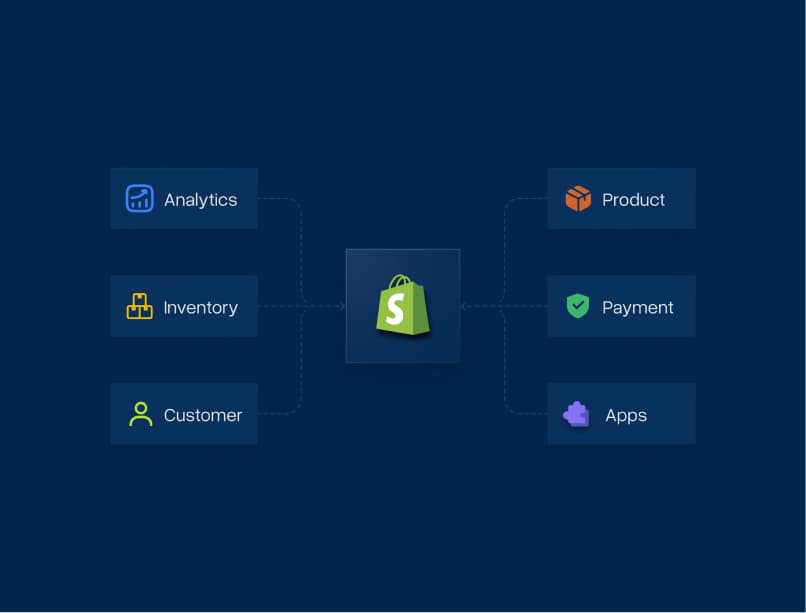
No more patch cycles or hosting bills
Magento 2 needs a server, a CDN, a caching layer, security patches, and someone on call for all of it. Shopify is hosted, patched and PCI compliant by default. The money you spent keeping Magento upright can go into selling instead.
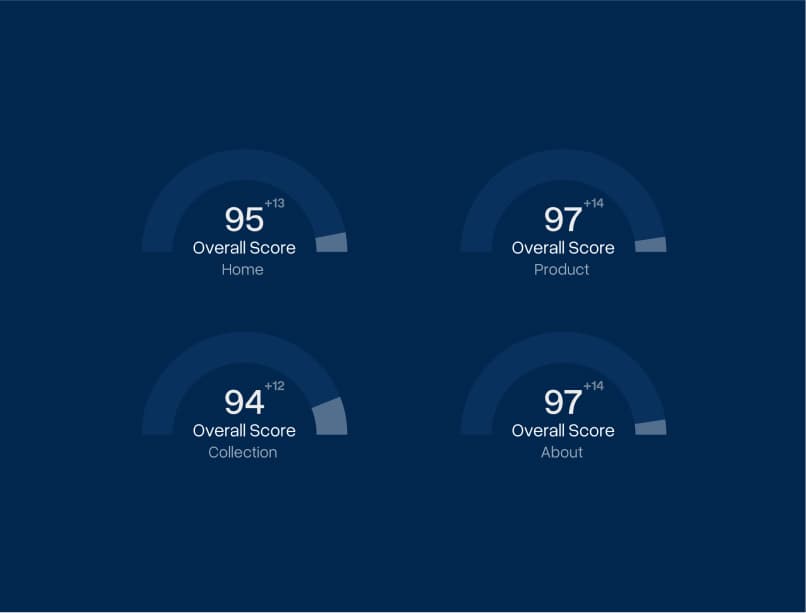
Speed you do not have to engineer
Keeping a Magento 2 store fast is a standing project. Varnish, Redis, image pipelines, cache invalidation. Shopify ships that infrastructure, so a fast store is where you start rather than what you get after six months of tuning.
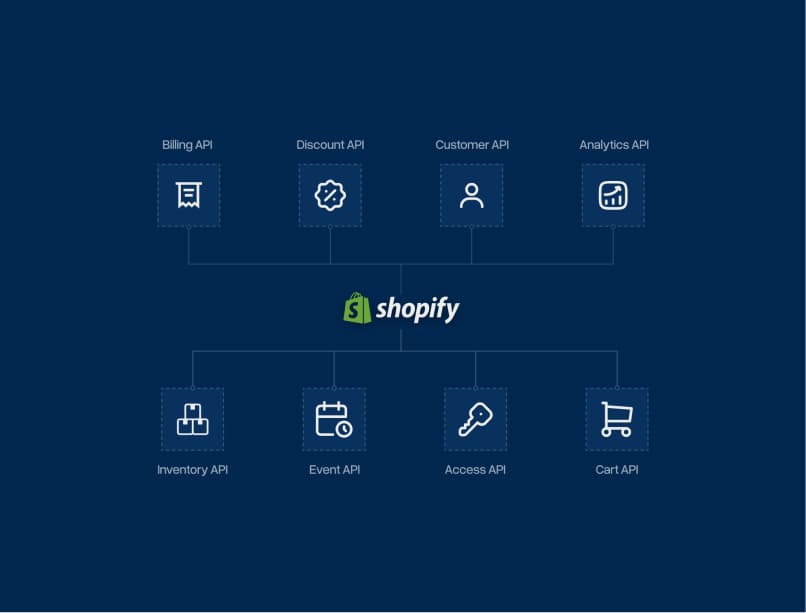
Extensions that stop fighting each other
A typical Magento store carries more than 30 extensions from a dozen vendors, and every upgrade turns into a compatibility negotiation. We audit what each extension actually does, then replace it with a Shopify app, a native feature, or a small amount of custom code you own.
A checkout you are allowed to trust
Magento's checkout is yours to build, test and keep converting. Shopify's arrives with Shop Pay, wallets and local payment methods already in it, and Plus lets you extend it where that matters to you.
The Magento migration
How a Magento store becomes a Shopify store
Magento's data model is the hard part, and it is where migrations quietly lose things. EAV attributes, multi-website scopes, customer groups and tier pricing have no direct Shopify equivalent. Somebody has to decide what each one becomes before any of it moves.
Magento audit and data mapping
We inventory the catalog, the attribute sets, the customer groups, the price rules, and every extension that touches the storefront. Then we write the mapping to Shopify metafields, metaobjects, markets and variants before a single record moves.
Catalog, customers and order history
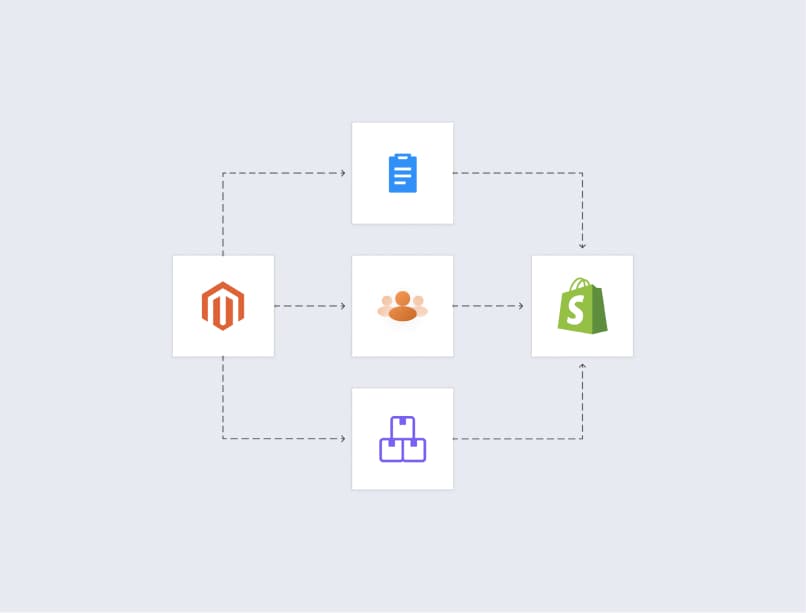
Products with their media and SEO fields, customer accounts with their addresses and groups, and the order history your support team needs. We migrate in dry runs first and reconcile the counts against Magento, then load production.
URL map, redirects and QA
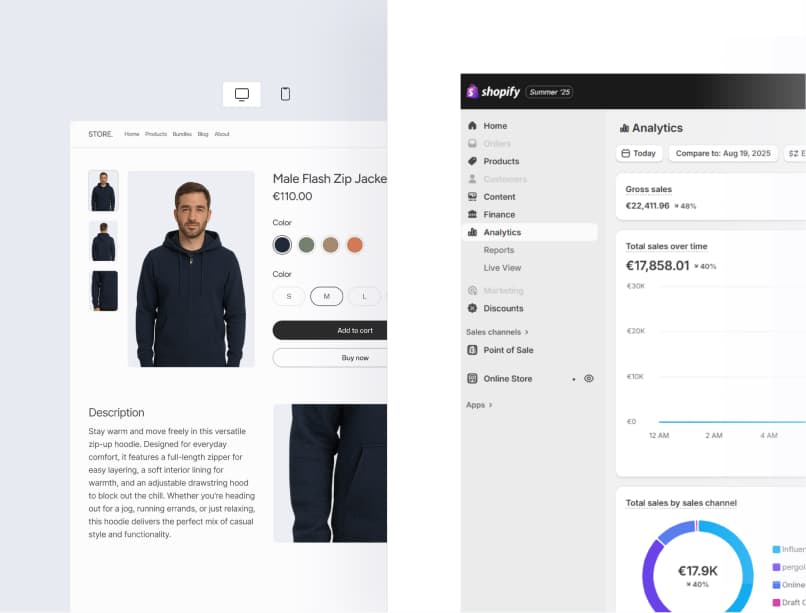
Every indexed Magento URL gets a 301 to its Shopify equivalent. Category pages, product URLs, CMS pages, and the layered navigation URLs worth keeping. We test the map against your live crawl data before cutover rather than after it.

Cutover and the weeks after
A staged switch with DNS timed to your quietest window. Then we watch Search Console, server logs and revenue daily while Google re-crawls, and keep fixing until the numbers have come back.
Trusted by brands worldwide
Great brands that we help build and scale their businesses
We believe strong client relationships deliver great results, helping businesses scale with stronger conversions and sustainable growth.






Magento migration FAQ
The questions Magento merchants ask
What replatforming from Magento 1, Magento 2 or Adobe Commerce actually involves.


Still on Magento?
Let's scope the move.
Most Magento 2 stores run 8 to 16 weeks from kickoff to cutover. Catalog size matters less than complexity. Multi-website setups, customer group pricing, B2B rules and heavily customised checkouts each add scope. A single site store with a clean catalog can be live in six weeks.
Yes, and it is the most common request we get. Magento 1 has had no security patches since June 2020, so the risk is not theoretical. The data extracts cleanly. The work sits in re-mapping a data model that predates most of the fields you now rely on.
Adobe Commerce migrations are the same technical exercise plus a commercial one. We time the cutover against your licence renewal so you are not paying for both platforms at once, and we map the Adobe Commerce features you actually use rather than everything on the datasheet.
Not if the URL map is built properly. Every indexed Magento URL gets a 301 to its Shopify equivalent, we keep the on-page structure those rankings rest on, and we watch Search Console daily through the re-crawl. Expect a short dip while Google reprocesses, then recovery.
They do not come with you, which for most stores is the appeal. We audit what each one does, then meet the requirement with a native Shopify feature, an app, or custom code. Most stores finish with fewer moving parts than they started with.
Order history and customer accounts yes, including addresses and groups. Passwords cannot come across from Magento in a usable form because of how they are hashed. Customers set a new password on first login, and we build that flow so it does not read as an error.
Related
Next steps around a migration
What a migration costs, how it runs step by step, the other platforms we move stores from, and the work that tends to follow.

Martin Winkler
Co-Founder & CEO
Mark Chang
Founder & CTO