Migration
Shopware to Shopify, instead of rebuilding on Shopware 6
Moving from Shopware 5 to Shopware 6 is not an upgrade. The architecture changed, the plugins do not carry over, and the theme gets rebuilt. If you are facing that project anyway, it is worth asking whether the rebuild should land on Shopify instead.
Why leave Shopware
The Shopware 5 decision nobody enjoys
Shopware 5 has reached end of life, so staying put means running a shop that stops receiving fixes. The alternative inside the ecosystem is a Shopware 6 rebuild: new theme, new plugins, new integrations. That is the same work as a migration, spent to stay where you are.
Rebuild once, not twice
Shopware 5 plugins do not run on Shopware 6, and the templating is different enough that the theme starts again. Once you accept that the storefront is being rebuilt, the platform underneath it becomes an open question rather than a given.
Hosting stops being your decision
Self-hosted Shopware means a server, a caching setup, updates and someone responsible when traffic spikes. Shopify runs that infrastructure, which removes both the hosting bill and the conversation about who owns the outage.
German commerce, natively
Invoice payment, Klarna, SEPA, DHL and Packstation delivery, DSGVO obligations and correct VAT handling. These are the things merchants worry about when leaving a German platform, and Shopify covers them through native features and established apps.

B2B without a second store
Shopware merchants often run B2B alongside retail through plugins and customer streams. Shopify handles company accounts, price lists and payment terms on Plus, so the two sides of the business share one catalog instead of drifting apart.
The Shopware migration
How we move a Shopware store
Shopware keeps a lot of meaning in places a plain export flattens. Property groups, custom fields, sales channels, customer streams and rule builder logic all describe how the business works. Each one needs a Shopify equivalent chosen deliberately.
Version and plugin assessment
We establish what you are running, which plugins are load bearing, and how much of your storefront behaviour comes from the rule builder rather than the theme. That assessment usually reframes the project, because a lot of Shopware customisation turns out to be native on Shopify.
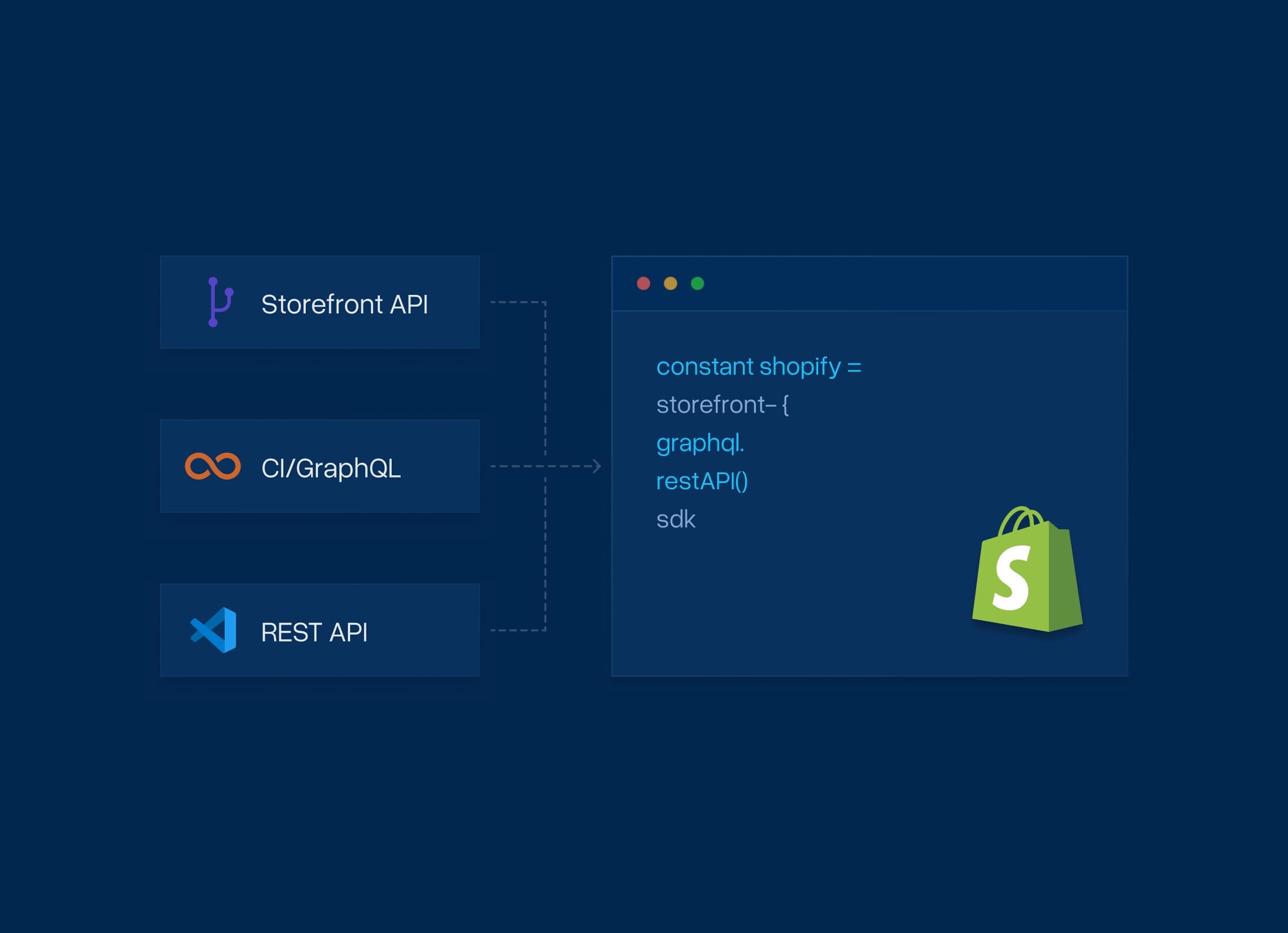
Catalog, properties and customers
Products with their property groups and custom fields become Shopify variants, options and metafields. Customer accounts move with addresses and order history, and customer streams get rebuilt as Shopify segments rather than copied across.
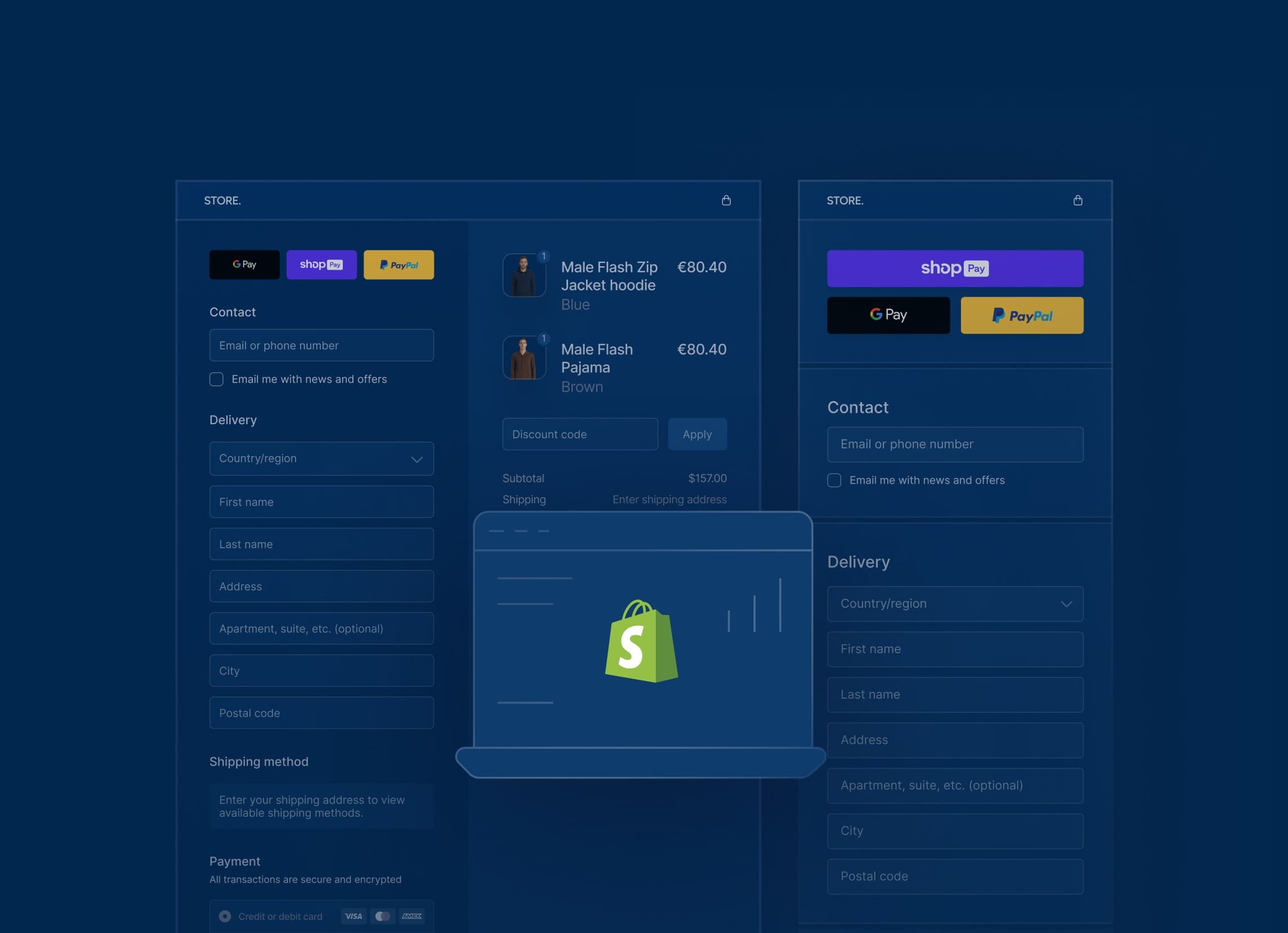
Payments, shipping and tax
Invoice payment, direct debit, the carriers you already use and your VAT setup get configured and tested before anything goes live. On a German store this is the part that has to be right on day one, so we test it against real orders in staging.
Redirects, cutover and monitoring
Every indexed Shopware URL gets a 301 to its Shopify equivalent, tested against your real crawl data. Then DNS moves in a quiet window and we track Search Console, logs and revenue daily until the numbers settle.
Trusted by brands worldwide
Great brands that we help build and scale their businesses
We believe strong client relationships deliver great results, helping businesses scale with stronger conversions and sustainable growth.






Shopware migration FAQ
What Shopware merchants ask
Leaving Shopware 5 or Shopware 6, and what it means for a German store.


On Shopware?
Compare the rebuild options.
Usually less, and that surprises people. The Shopware 5 to 6 path already means a new theme, new plugins and reworked integrations. A Shopify migration is the same rebuild with a hosted platform at the end of it, and without a hosting and update cycle to carry afterwards.
Most stores run 8 to 14 weeks. The variables are the number of sales channels, how much logic sits in the rule builder, and whether B2B pricing is involved. A single channel B2C store with a straightforward catalog moves faster than that.
Yes. Invoice payment and direct debit are available through payment providers, and DHL including Packstation delivery is supported through established apps. We configure and test all of it in staging before cutover rather than after.
Shopify supports the consent, data access and deletion obligations, and the legally required pages carry over as part of the migration. We are not lawyers and do not sign off your legal text, but the technical requirements are covered and we will tell you where a lawyer needs to look.
On Shopify Plus, company accounts, price lists and payment terms are native, so customer specific pricing moves across as structured data. On the standard plan it is possible with apps, and we will tell you honestly which of the two your setup needs.
Not with a proper redirect map. Shopware URLs follow predictable patterns, which makes the mapping cleaner than it is for some platforms. We build it from your real crawl data, test it before the switch, and monitor Search Console daily afterwards.
Related
Around your migration
What it costs, the checklist we work through, the other platforms we move stores from, and what follows the move.

Martin Winkler
Co-Founder & CEO
Mark Chang
Founder & CTO